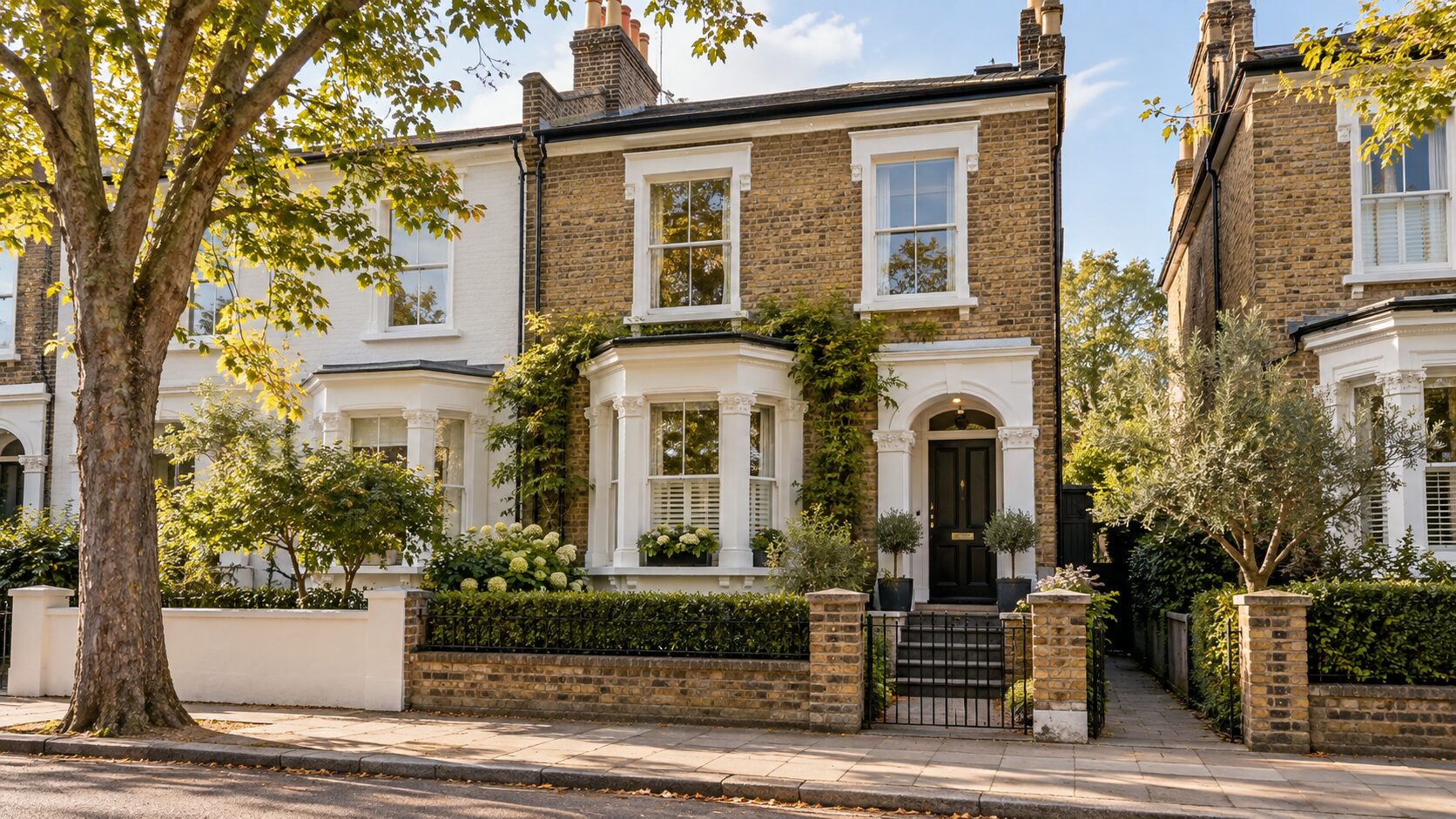
The Government’s proposed “mansion tax” may be on the verge of expanding out and affecting the wider property market.
The High Value Council Tax Surcharge or HVCTS as it is so delicately named, due to take effect from April 2028, is currently aimed at owners of residential property in England worth £2 million or more. Reports ahead of the October Budget, however, suggest that the Government is now considering reducing that threshold to £1.5 million.
This is not as minor a change as it might appear. If the threshold does fall, the significance would go well beyond simply bringing more properties into scope for this specific new tax.
A broader group of London homeowners could be affected
At £1.5 million, the charge would reach much further. That matters because many properties at this level, particularly in London are not necessarily owned by individuals with large amounts of readily available cash. They may be long-held family homes which have increased substantially in value, investment properties, or assets forming part of a wider family estate.
The result is that a lower threshold could turn what was initially perceived as a tax on the very top end of the market into a much broader private wealth issue. And because liability sits with the owner rather than the occupier, the implications extend beyond owner-occupiers.
Investors, trustees, executors and families holding residential property through more complex ownership structures will also need to consider whether properties fall within the regime and who ultimately bears the cost.
Valuation and ownership will matter more
For properties close to a threshold, valuation is likely to become particularly important and possibly even a contentious issue.
A relatively small difference in value could determine whether a property falls outside the regime, enters the first charging band or moves into a higher one. But valuation is only part of the picture.
Private clients may also need to consider how the surcharge interacts with trusts and estates, ownership structures, succession planning and the wider cumulative tax cost of holding high-value residential
property.
For a family estate containing several residential properties, or where a valuable home represents a significant proportion of an individual’s wealth, an additional recurring annual charge may influence longer-term decisions about how property is owned, retained or eventually passed on. There is also the additional impact that this might have on decisions around adding value to an existing property and the impact that has on the building and decorating sectors of the economy.
The October Budget may ultimately leave the £2 million threshold unchanged. But if it falls to £1.5 million, the more important question will not simply be how many additional homes are caught.
It will be which owners are caught, how those properties are held, and what another recurring property tax means within the wider management of family wealth.
One final takeaway: what other impacts might this have on tax revenue as property values could be diminished, impacting SDLT, capital gains tax and inheritance tax receipts. Watch this space.